Collection: Andy Warhol
The Warhol Collection: Original Editions, Sunday B. Morning Prints, and Rare Ephemera
Andy Warhol remains the ultimate architect of American Pop Art, a man who famously blurred the lines between Fine Art in high culture and commercial consumption. Born Andrew Warhola in 1928 to Slovakian immigrants in Pittsburgh, he began his career as a highly successful commercial illustrator in New York City. Throughout the 1950s, his whimsical, blotted-line drawings for Vogue, Glamour, and I. Miller Shoes earned him industry awards, yet Warhol harbored a deeper ambition to conquer the fine art world. By the early 1960s, he had traded his hand-drawn advertisements for the cold, mechanical process of silkscreening, famously declaring that he wanted "to be a machine."
Continue Reading
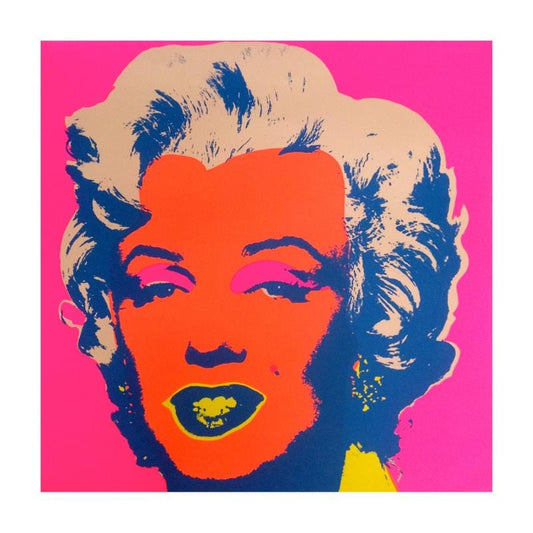
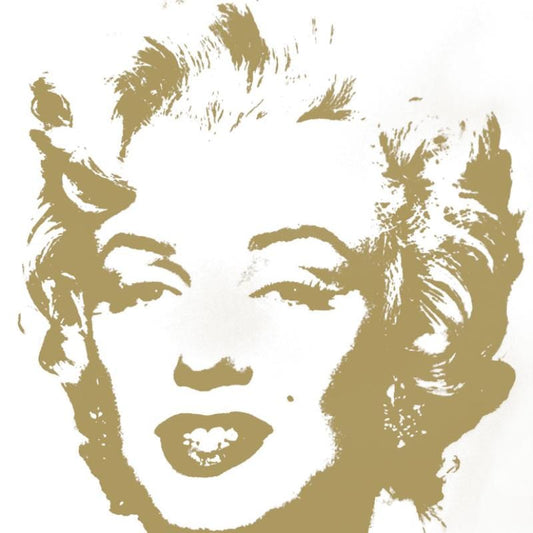
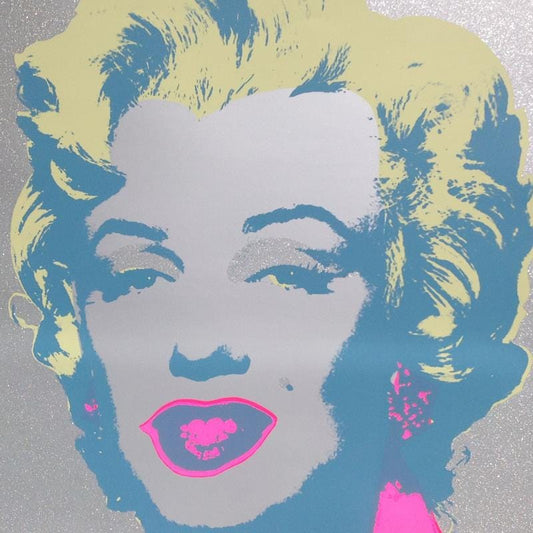
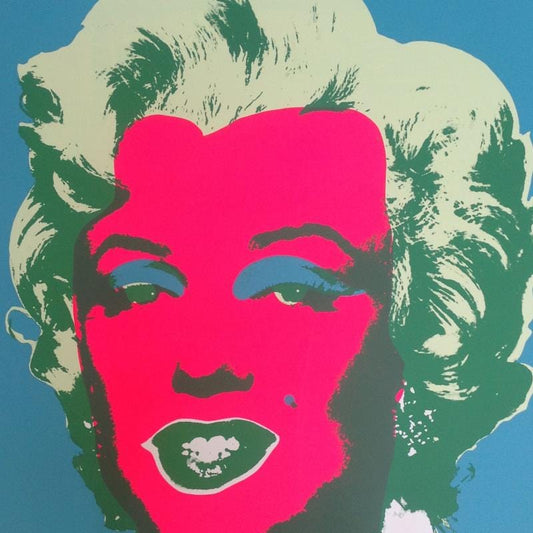
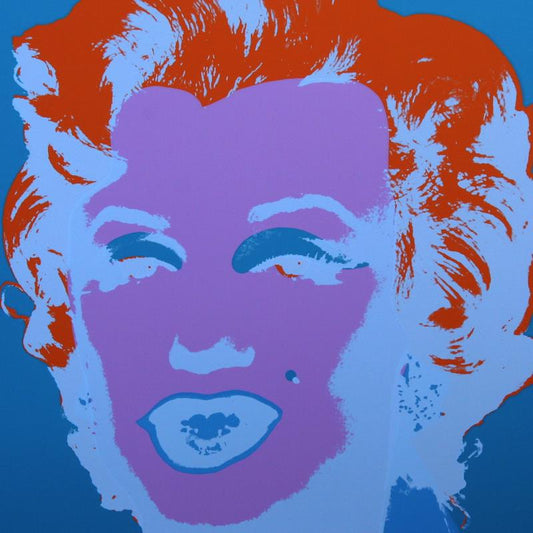
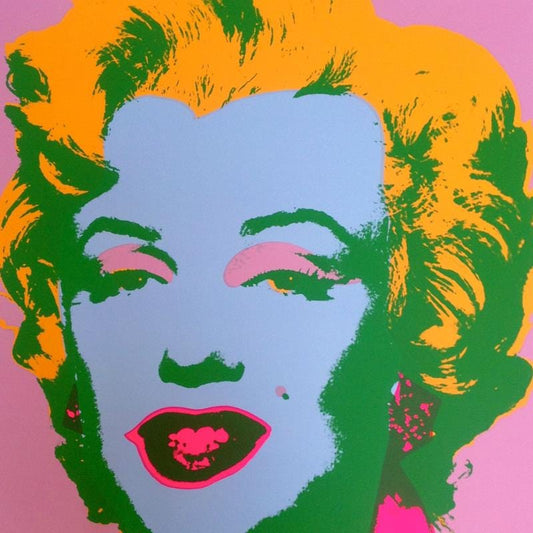
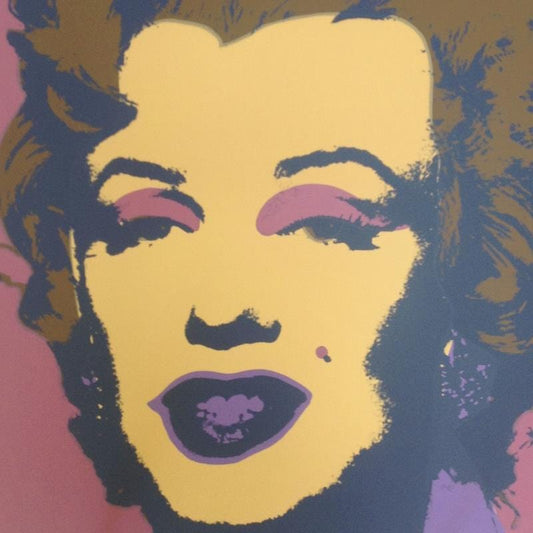
This transition marked the birth of Warhol’s most iconic period, where he elevated everyday consumer goods—like Campbell’s Soup cans and Brillo boxes—to the status of museum-worthy subjects. As his style evolved, Warhol shifted his gaze from products to people, treating celebrities as the ultimate American brands. His hauntingly beautiful portraits of Marilyn Monroe, Elvis Presley, and Elizabeth Taylor transformed these figures into secular icons, capturing the intersection of glamour, tragedy, and mass media. Through his "Factory" studio, Warhol became more than just a painter; he became a cultural phenomenon who redefined the artist’s role as both a creator and a brand.
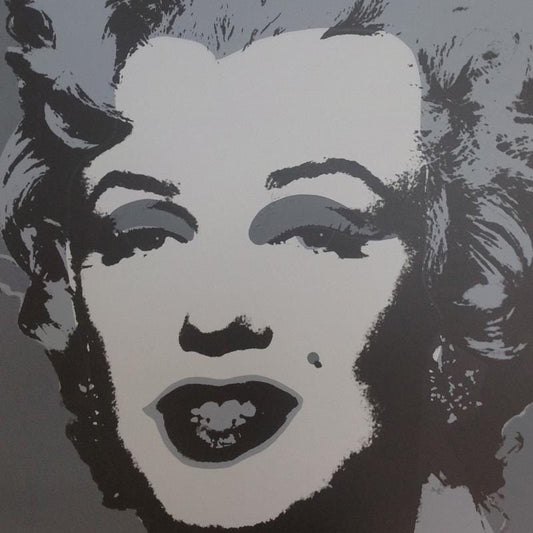
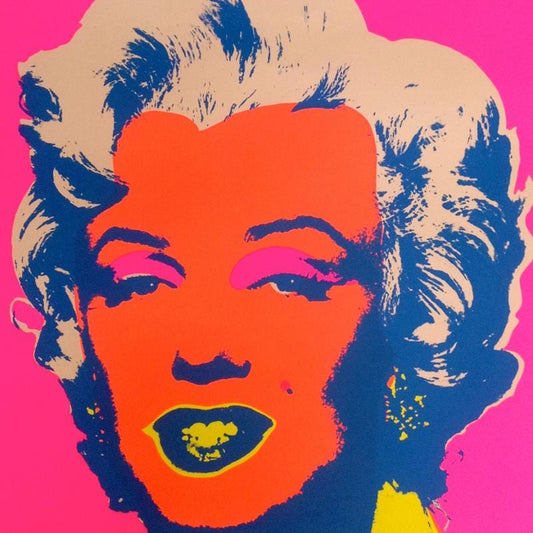
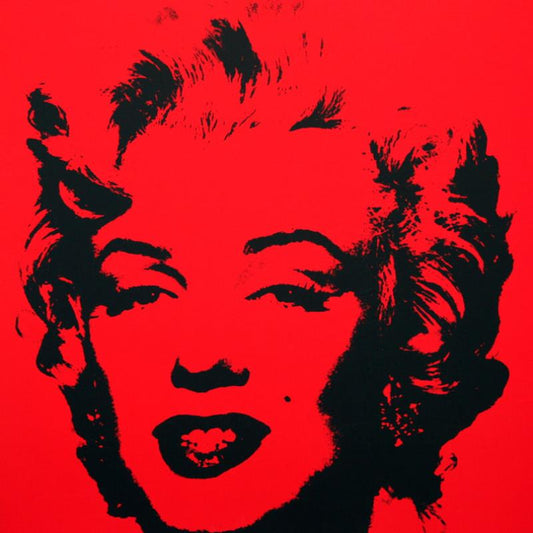
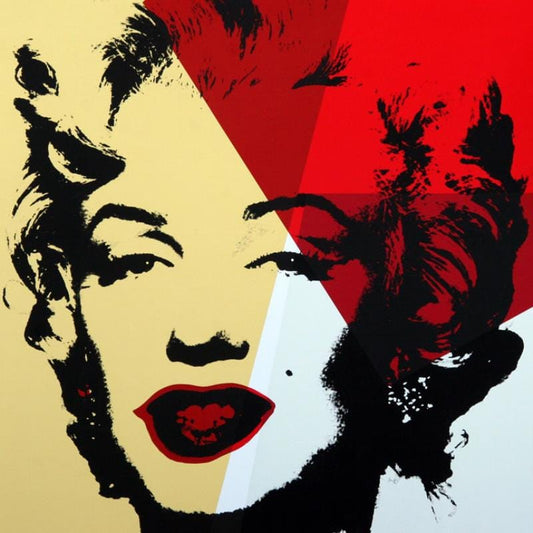
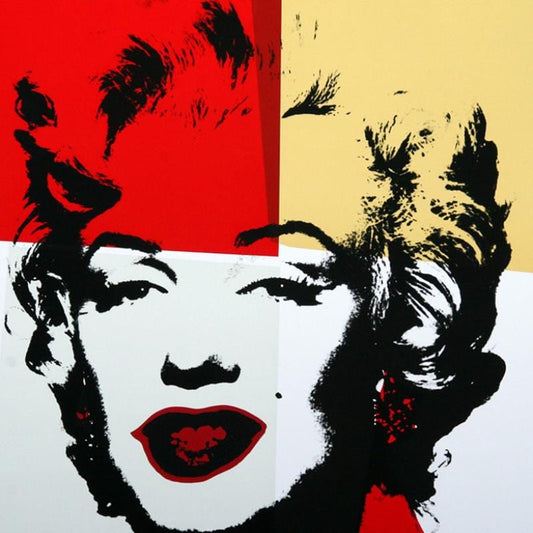
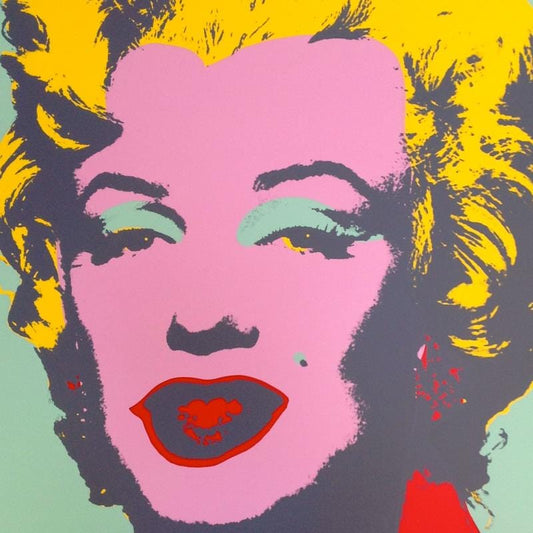
Our collection highlights Warhol’s commitment to making art accessible through his prolific output in the print medium. This includes original screenprints, often referred to as "Factory Editions," which are characterized by their limited production and the artist’s signature or initials frequently found en verso (on the reverse). For the discerning collector seeking the Warhol aesthetic at a more attainable entry point, we also feature the historic "after" screenprints from Sunday B. Morning. These prints occupy a unique place in art history: they were created using Warhol’s original screens and color codes from a 1970 collaboration that Warhol eventually distanced himself from. Despite the "disavowal," these editions—noted for the "Fill in your own signature" stamp on the back—are recognized in the Warhol Catalogue Raisonné and represent a fascinating commentary on his own theories of mass production.
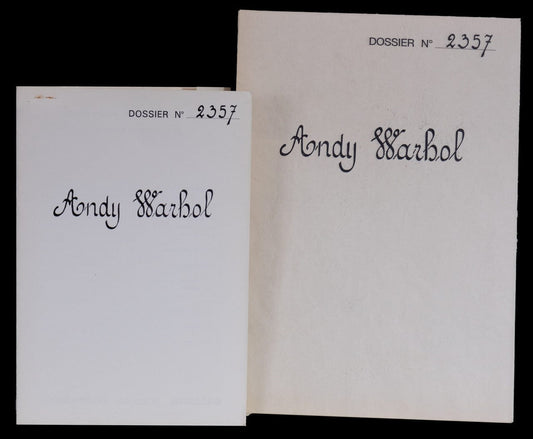
Beyond traditional prints, the collection extends into the world of Warhol ephemera—items originally intended to be discarded that have since become prized collectibles. From silver-painted "You’re In" Coca-Cola bottles to original exhibition announcement cards and signed copies of Interview magazine, these pieces offer an intimate look at Warhol’s daily life and his obsession with the fleeting nature of fame. Once considered mere promotional material, these archival objects now serve as valuable relics of the Pop Art era, proving that in Warhol’s world, even the most ephemeral scrap of paper could be transformed into a lasting piece of history.


 Sold out