×
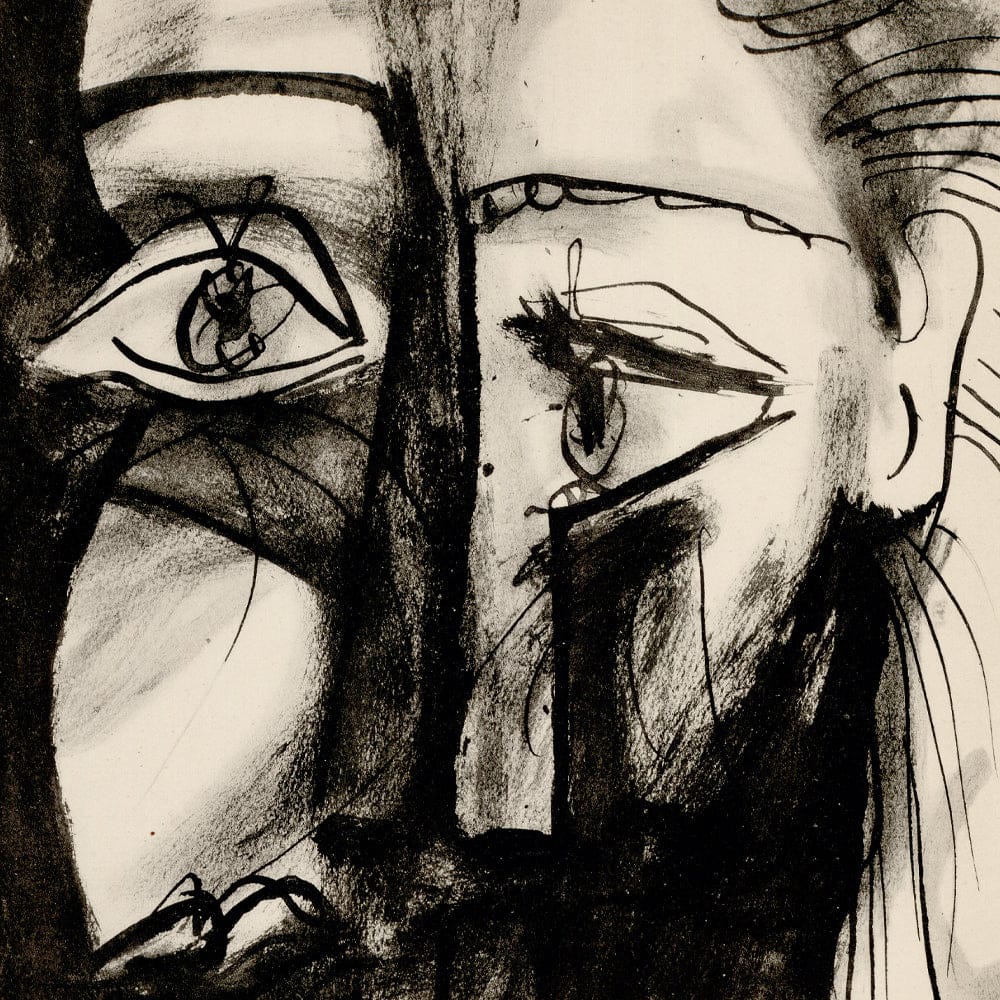
Widely regarded as the most influential and well-known artist of the 20th century, Picasso was a relentless innovator and adopter of new art styles. As a co-founder of Cubism, his global fame was born from fractured perspectives and autobiographical themes that reached new audiences with a never-before-seen style that simultaneously amplified his celebrity. His genius was never restrained by any particular movement
His storied career began at home, followed by a formal academic education in Spain before moving to the global creative epicenter of Paris, France. Following the introspective melancholy of his retreat to Barcelona at the start of the 20th-century, as expressed in his Blue Period, Picasso returned to Paris to solidify his place at the forefront of the avant-garde for the next 70 years. With critical success came the freedom to experiment across every conceivable medium. He frequently used his formative works on paper as prototypes, or studies, for his masterpieces on canvas, making his graphic works an essential record of his creative process. Picasso's artistic achievements and celebrity status were, and forever will be, unmatched.
Picasso famously viewed his printmaking as a "personal diary," a medium through which he explored the continuous metamorphosis of his creative vision. Over his seven decade career, he produced more than 2,400 works across every conceivable graphic medium. Ranging from the intricate detail of original etchings and lithographs, to the bold, vibrant textures of his linocuts. He was prolific in producing special edition releases of various themes of literature, mythology, personal experience, and homage to his artistic influences.
To achieve this he often worked directly with legendary printers such as Roger Lacourière, the Atelier Crommelynck, Fernand Mourlot, and Hidalgo Arnéra, redefining what was possible through the plate and stone.
Collectors that possess an original lifetime edition from Picasso own an important artifact from the artistic revolution that redefined the 20th century.