La Revue Verve, 1937–1960: The Living Museum of Modernism
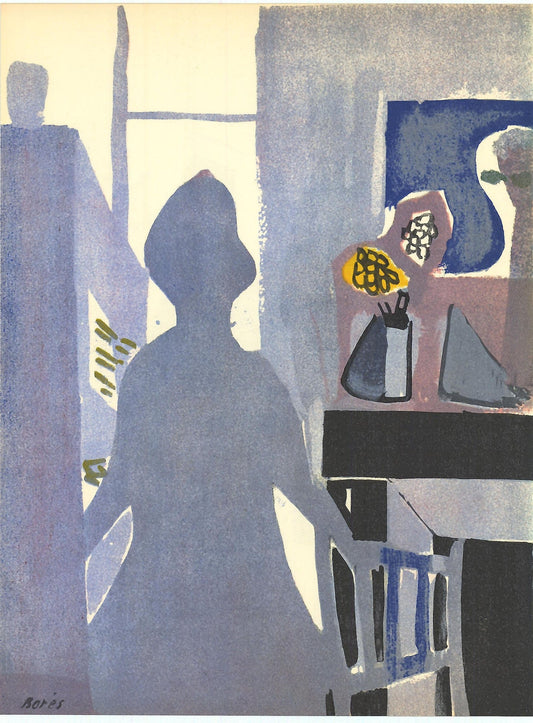
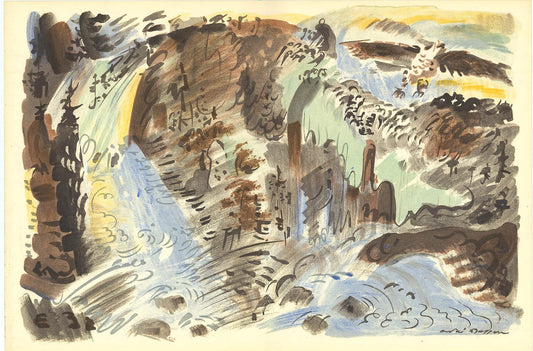
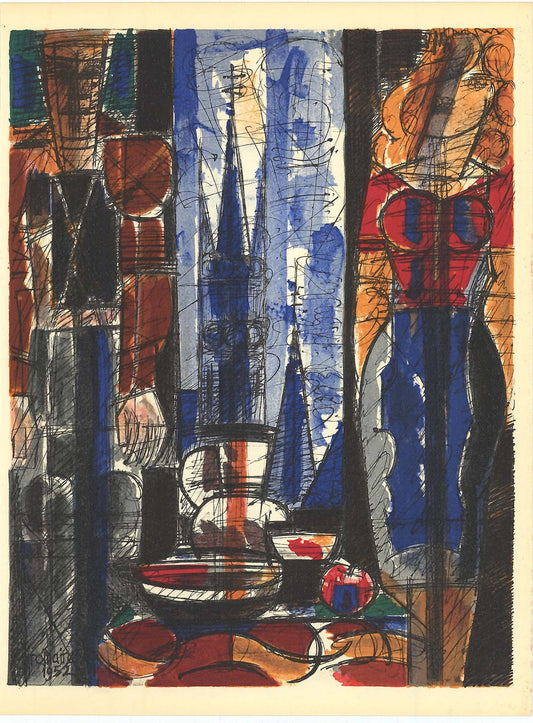
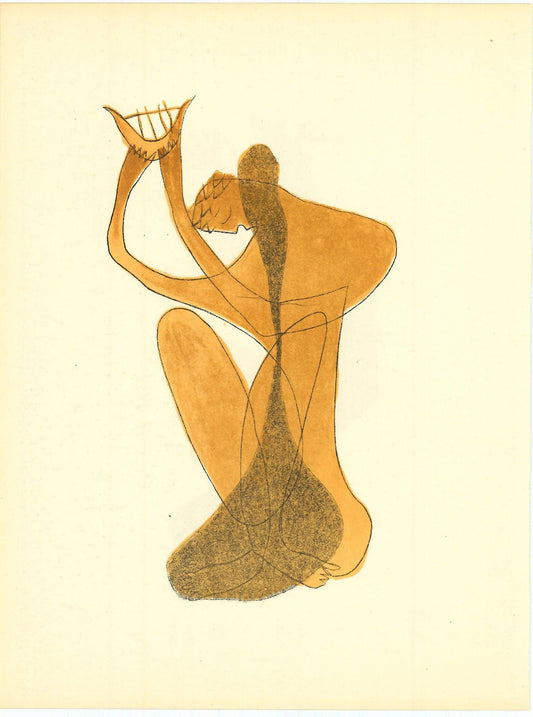
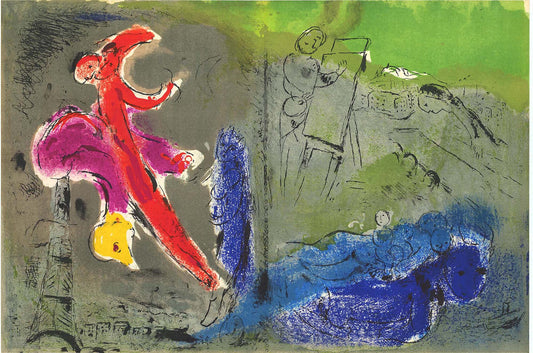
Founded in Paris in 1937 by the legendary critic and publisher Tériade, La Revue Verve was born from a singular ambition: to create "the most beautiful magazine in the world." Conceived as a luxury publication that bridged the gap between the intellectual elite and the broader public, the quarterly publication transformed the concept of an art journal into a portable "ideal museum." Verve not only brought fine art to the public but it did so with authenticity, famously collaborating with the most renowned modern artists at the zenith of their creativity. Included in each issue were original lithographs directly created by those artists: Pablo Picasso, Marc Chagall, Henri Matisse, Georges Braque, Joan Miró, and Fernand Leger, among many others. To achieve this, Teriade called upon his vast connections in the art publishing world, connecting artists with the legendary Parisian print studio, Mourlot Frères.
Explore Special Edition Artist Collaborations
- Braque: The Intimate Notebooks, 1955, Vol. VIII, Nos. 31-32
- Chagall: The Bible, 1956, Vol. VII, Nos. 33-34
- Chagall: Drawings for the Bible, 1960, Vol. X, Nos. 37-38
- Matisse: Color, 1945, Vol. IV, No. 13
- Matisse: The Last Works, 1958, Vol. IX, Nos. 35-36
- Picasso: The Human Comedy, 1954, Vol. VIII, Nos. 29-30
- Various Artists: The Human Figure, 1939, Vol. II, Nos. 5-6
- Various Artists: Moods and Movements in Art, 1952, Vol. VII, Nos. 27-28
Continue Reading the History of Verve
A Catalyst for Modern Masters
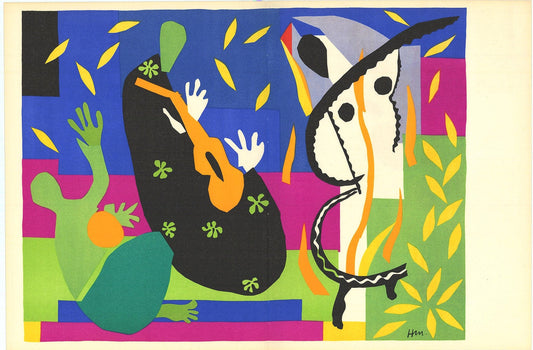
Verve functioned as a laboratory, incubating creativity for the giants of modern art. Tériade used this global platform to debut entire bodies of work, from Matisse’s revolutionary paper cut-outs to the historic first photos of Picasso’s Guernica. By integrating modern art into the French cultural heritage, the magazine cemented these artists as foundational pillars of the Parisian school and their dominance of 20th century modern art.
Originality and the Master Printers
The soul of Verve lies in the absolute originality of its plates. Unlike other publications of the time which published reproductions, these lithographs were commissioned specifically for the quarterly, often requiring artists to work directly on the lithographic stones. Through close collaboration with the era's most renowned workshops, these titans of modern art created wholly unique original lithographs.
- Mourlot Frères: Fernand Mourlot was instrumental in the lithography renaissance, encouraging Picasso and Chagall to treat the medium as a primary form of expression.
- Draeger Frères: For color gravures, Tériade employed this elite printing house to ensure the highest fidelity to the artist's original vision.
- Henri Matisse: the artist became so intimately involved in the printing process that his proofing notes and color formulas were often published alongside the finished works. No. 13, 1945 served as the direct precursor to his legendary Jazz portfolio, utilizing the same cut-gouache techniques.
Enduring Value to the Art World
Throughout its publication, Verve was recognized as the pinnacle of luxury publishing, aimed at serious collectors, bibliophiles, and museums. Its large format, high-quality paper, and original lithographs transformed each issue into a tangible "object of art". Today, these original lithographs remain highly sought after, representing a unique moment where the prestige of the publisher, the skill of the printer, and the genius of the artist aligned to create a masterpiece.